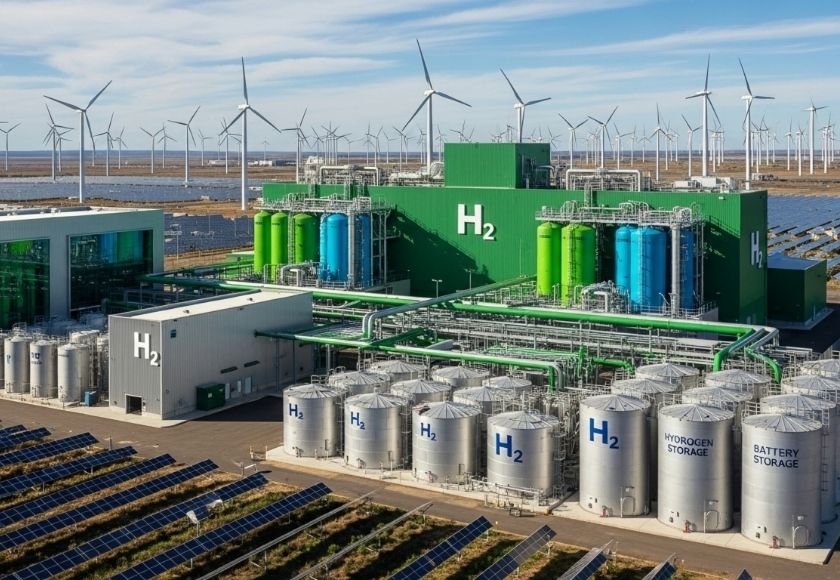
In the 21st century, energy holds a highly important place in achieving the goal of sustainable development. In particular, the use of fossil-based fuels to meet societies’ energy needs leads to significant economic, environmental, and social problems. From this perspective, hydrogen energy emerges as the most important alternative for solving these problems.
So why has Hydrogen, a clean and high-energy source, not attained the place it deserves in energy scenarios?
Although Hydrogen is the most abundant substance in the world, we are unable to benefit from its energy as we should;
To date, studies conducted on Hydrogen production technologies have remained far below the expected efficiency, and it has not been possible to produce safe, abundant, inexpensive HYDROGEN of the desired quality and quantity, or Energy from Hydrogen, due to high energy and maintenance costs.
When energy sources are considered, although there is almost no single energy source that could be an alternative to Hydrogen, HYDROGEN energy has not even been able to enter the literature.
IF WE TAKE A BRIEF LOOK AT HYDROGEN SOURCES AND CLASSICAL PRODUCTION METHODS;
Hydrogen can be produced from various sources, and these production methods vary according to the sources used.
There are essentially four main production methods:
1. Hydrogen Production from Fossil Fuels (Natural Gas, Coal)
Natural Gas Reforming (Steam Methane Reforming - SMR): It is the most widely used production method in the world. Hydrogen is obtained by reacting natural gas with steam at a high rate. As a result of this process, carbohydrates (CO₂) also emerge as a by-product.
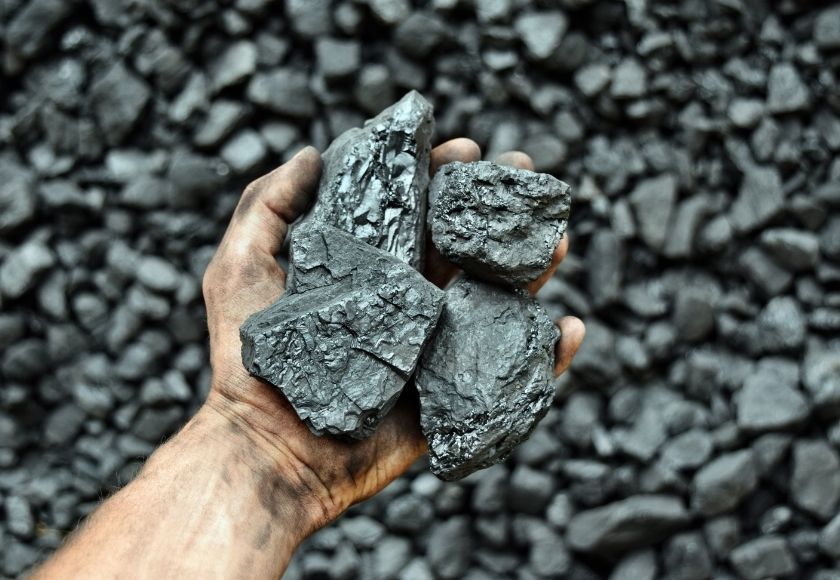
Coal Gasification: Coal is reacted with steam at high rates and pressure to produce hydrogen and carbon monoxide. The carbon monoxide then reacts with steam to produce hydrogen (water-gas shift reaction).
2. Hydrogen Production from Biomass
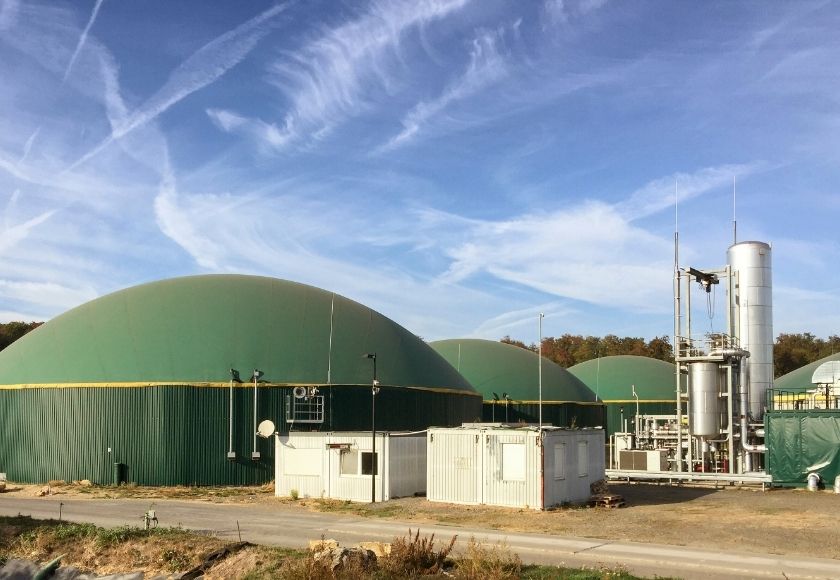
Biomass Gasification: Hydrogen and other gases are obtained by reacting biomass (organic products such as plant and animal waste) with steam at a high rate.
Biological Processes: Certain microorganisms (Bacteria) can produce hydrogen from biological/organic components. These processes are generally carried out by breaking down organic waste with biochemical substances.
3. Hydrogen Production from Water and Electricity Sources
Electrolysis: The process of separating hydrogen and oxygen molecules by applying an electric current to water. The electrical energy used for this process is generally supplied from alternative energy sources (solar, wind, hydroelectric). Hydrogen energy obtained in this way is called "Green Hydrogen."
Alkaline Electrolysis: One of the traditional electrolysis methods.
PEM Electrolysis: More efficient electrolysis is performed thanks to a proton exchange membrane (PEM).
Thermal Water Splitting: The direct separation of water into hydrogen and oxygen using high temperatures. Nuclear energy is generally used for this purpose.
4. Other Sources and Methods
Photolysis: Using sunlight to split water directly into Hydrogen and Oxygen.
Thermochemical Water Splitting: Processes that split water using different chemical substances and high temperatures.
The impact of hydrogen conversion varies depending on the source of production. While energy produced from fossil fuels generates carbon emissions, energy produced from sources such as electrolysis is environmentally friendly and carbon-emission-free.
The general disadvantages of the Hydrogen Gas production processes that we have attempted to summarize under four main headings are as follows:
- They require large and extensive areas
- Very high installation and operating costs
- They consume much more energy than they produce
- Low Hydrogen gas production rates and capacities
- Storage, warehousing, transportation, and usage problems associated with the Hydrogen Gas they produce, etc.
In addition to involving numerous economic and physical problems, HYDROGEN GAS:
Is extremely dangerous to store and use unless advanced technological and high-cost safety measures are taken.
- It has the highest level of flammability/explosiveness among gases in the world.
- Its flame is invisible
- It has high diffusivity; because it is the molecule with the smallest volume in the world, leak detection and storage are highly difficult
- Risk of asphyxiation; it is a colorless, odorless gas and may cause concealed asphyxiation in places without sufficient oxygen.
- It may explode when static electricity is generated.
- Its storage pressure is very high and it does not liquefy easily. When stored under pressure, it may reach extremely low sub-zero temperatures during discharge.
- It reacts very rapidly with all types of oxidizing substances
Although the use of hydrogen gas offers significant opportunities, particularly in the fields of energy and fuel systems, its safe use requires great care in storage, transportation, and operation. Storing it while taking these hazards into consideration requires effective safety measures and technological solutions.
In addition to all these, the challenges associated with the use of HYDROGEN
- Its calorific value is very high; numerous technical modifications and safety measures are required for it to be used in commercially available automobile/vehicle engines, generators, power plants, and heating systems such as combi boilers, boilers, burners, etc.
- Its use and storage as an energy source in vehicles such as automobiles, aircraft, trains, and ships require very high-cost technologies.
- It can produce electrical energy by reacting with Oxygen in fuel cells such as Fullcell; however, the materials and raw materials used in this technology are expensive and are generally produced from ores that are scarce in nature.
For example, in order to use Hydrogen in automotive technology, Hydrogen Gas produced using expensive production techniques is stored in Liquid Hydrogen tanks, converted into electricity in FullCell cells—which are far more expensive and difficult to manufacture—and then used in automobiles designed as electric vehicles. Compared with the production cost of a conventional automobile, this leads to much higher production costs; a technique that is certainly not environmentally friendly due to the methods and raw materials used during production; the intensive use of rare-earth elements; and, over time, batteries and accumulators used to store electricity turning the world into a battery dump.
In brief;
HYDROGEN ENERGY has not attained the place it deserves due to production difficulties, high production costs, storage and transportation problems, its incompatibility with existing combi boilers, vehicle engines, etc. available on the market, inadequate technical infrastructure, insufficient technological development, safety risks, inefficient processes that are copies of one another, inadequate solutions, and similar reasons.
AS HOWEN, WITH THE AIM OF BRINGING HYDROGEN TO THE LEVEL IT DESERVES
Respectively;
- Production of Hydrogen Processes that, compared with their counterparts, are smaller in size, leave no waste, are clean and economical, have low operating and maintenance costs, can produce gas from water sources at high capacities, and can recoup their investment costs in less than one year
- Calorizing the current high-risk form of hydrogen gas through Carbon fermentation, thereby eliminating risks related to storage, application, use, and safety
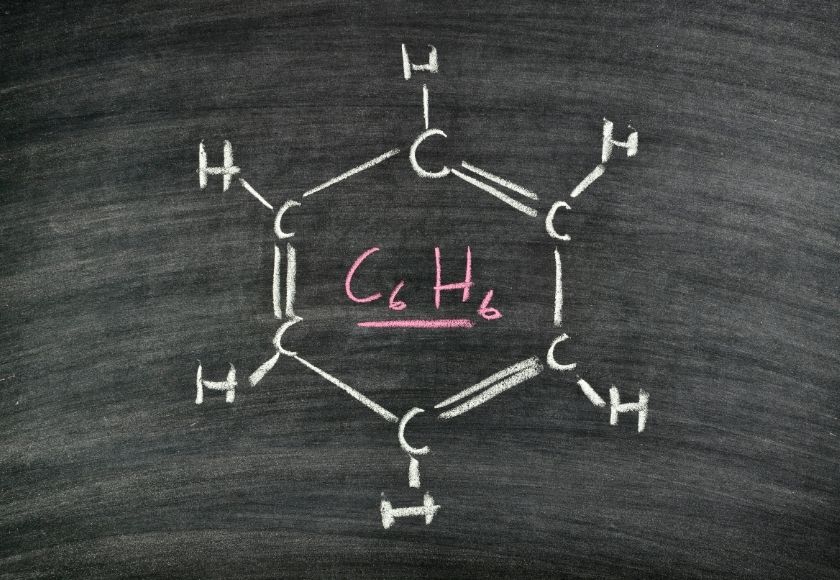
- Production from Hydrogen of high-efficiency Hydrocarbon gases with different combustion properties and low carbon emissions, possessing flammability, combustibility, storage, and safety criteria similar to NATURAL GAS / LPG / LNG / KEROSENE / BUTANE / METHANE / ETHANE / PROPANE
- Processing Hydrogen with Carbon, Coal, Plastic Waste, and Plant Waste in Thermal Cracking processes to obtain liquid fuels such as Bitumen / Fuel Oil / Diesel Fuel / Gasoline / Gas Oil / Kerosene, etc., as well as primary raw materials derived from plastics
- Increasing low-calorific-value coals of approximately 1,000–2,000 kcal to 5,000–6,000 kcal by fermenting them with Hydrogen
- Increasing the gas production quantities and capacities of low-efficiency BioGas/Biomass plants
- Enabling units used for heat production—such as combi boilers, burners, boilers, steam generators, combined-cycle plants, turbines, etc.—to operate with Hydrocarbon gases through simple modifications
- Enabling mining smelting facilities, rolling mills, foundries, and elemental mineral purification processes that require high temperatures in degrees Celsius for ore beneficiation through oxide removal (such as obtaining Boron Carbide and elemental Boron from Boron Oxide; Pure Silicon from SiO₂ Silicon Oxide; Anode/Cathode Copper from Copper Oxide or Copper Scrap, etc.) to operate with Hydrocarbon and Hydrogen gases, thereby achieving low costs and high production capacities
- Use of Hydrocarbon gases and Synthetic liquid Hydrocarbon fuels in land, sea, and air vehicles through simple modifications
- Production of Electrical Energy in power plants by using Hydrocarbon gases as fuel
- Meeting the thermal energy needs of residential and industrial facilities by injecting Hydrocarbon gases into natural gas pipelines is targeted.
IN OUR HYDROGEN PROCESSES;
COMPARED WITH CLASSICAL SYSTEMS, THE HYDROGEN PROCESSES ARE TARGETED TO:
- Provide product output on demand and instantaneously, ranging from low gas-volume levels to much higher gas-volume levels, without requiring storage
- Enable production using utility or drinking-quality water without requiring pure water for hydrogen production
- Provide significantly longer Anode/Cathode service life compared with their counterparts
- Produce Hydrogen/Oxygen in liquid or gaseous form at high capacities within very compact dimensions
- Produce 99.9% pure Hydrogen and 99.9% pure Oxygen separately or in the form of HHO when requested
- Require only small quantities of Electrolyte Salts for gas production
- Consume very little electrical energy during electrolysis
- Be manufactured in every size and capacity
- Reduce Natural Gas consumption while increasing its quality and calorific value when added to natural gas pipelines
- Produce Hydrocarbon gases such as Kerosene / Avgas / Gasoline / Diesel / Natural Gas, etc.
- Increase the calorific values of low-calorie coals
- Enable GAS production at very high capacities
- Provide economical consumable-material and maintenance costs
- Provide low investment and operating costs.