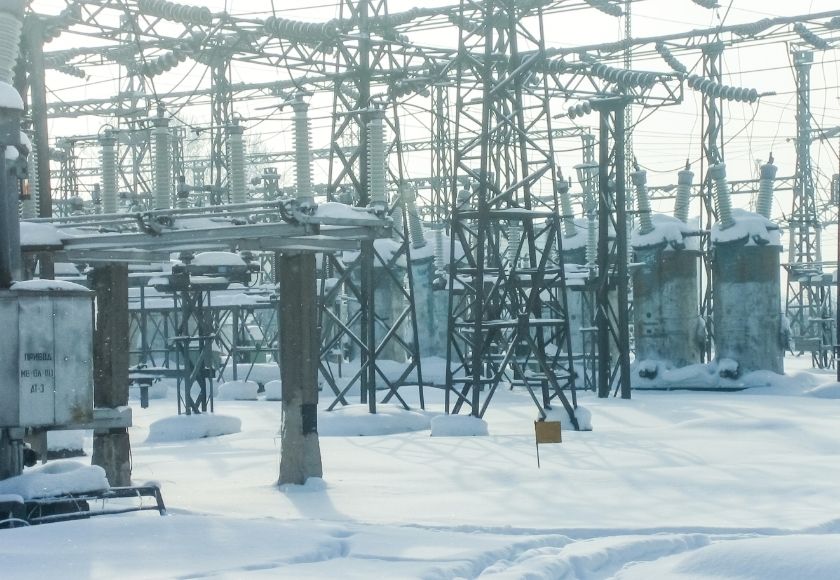

Türkiye’s electricity consumption increased by 3.8% in 2024 compared with the previous year, reaching 347.9 TWh, while electricity generation increased by 5.4% compared with the previous year, reaching 348.9 TWh.
According to the results of the Türkiye National Energy Plan study, electricity consumption is expected to reach 380.2 TWh in 2025, 455.3 TWh in 2030, and 510.5 TWh in 2035.
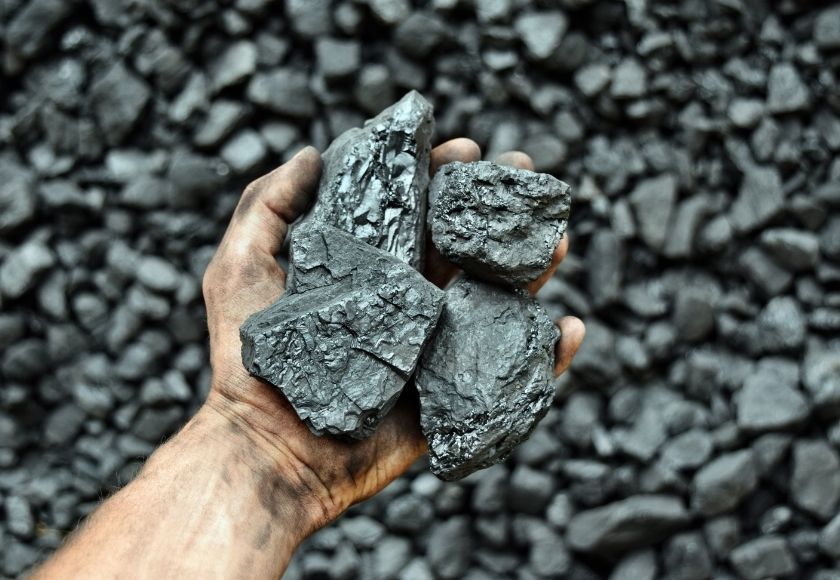
In 2024, 35.2% of our electricity generation was obtained from coal, 18.9% from natural gas, 21.5% from hydropower, 10.5% from wind, 7.5% from solar, 3.2% from geothermal energy, and 3.2% from other sources.
As of the end of January 2025, our country’s installed capacity reached 116,516 MW.
As of the end of January 2025, the distribution of our installed capacity by energy source was as follows: 27.6% hydropower, 21.1% natural gas, 18.8% coal, 11.2% wind, 17.4% solar, 1.5% geothermal, and 2.3% other sources.
Furthermore, as of the end of January 2025, the number of electricity generation plants in our country had risen to 34,104, including unlicensed plants. Of the existing plants, 765 are hydroelectric, 70 are coal-fired, 378 are wind-powered, 66 are geothermal, 332 are natural gas-fired, 32,027 are solar-powered, and 466 use other energy sources.
The energy think tank Ember published its Global Electricity Review, covering electricity generation data from 80 countries that account for 92% of global electricity demand.
Accordingly, global electricity demand reached a record level of 29.5 terawatt-hours last year. Due particularly to declining consumption in developed countries, global electricity demand recorded a slow growth rate of 2.2% last year.
The fastest-growing sources of electricity generation used to meet this demand were solar and wind energy.
Last year, 5.5% of global electricity generation was provided by solar energy and 7.8% by wind energy.
Solar energy recorded the largest annual increase in electricity generation, rising by 23.2%. Solar maintained its position as the world’s fastest-growing source of electricity for the 19th consecutive year.
Electricity generation from wind energy increased by 9.8% in 2023 compared with the previous year.
The share of hydroelectric sources in global electricity generation declined by 2% compared with the previous year, falling to 14.3%.
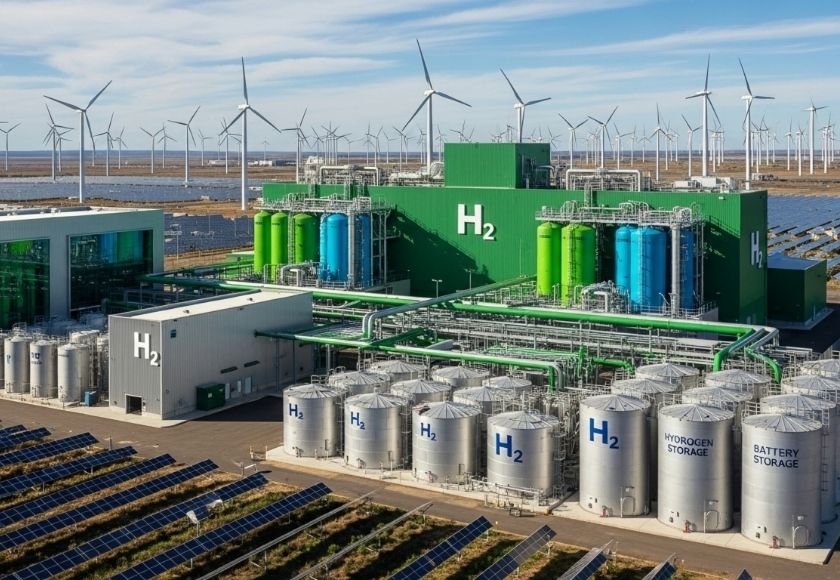
So why has HYDROGEN ENERGY, the most abundant and cleanest Energy Source in the world, still not entered into use?
To date, studies conducted on Hydrogen production technologies have remained far below the expected efficiency, and it has not been possible to produce safe, abundant, inexpensive HYDROGEN of the desired quality and quantity, or Energy from Hydrogen, due to high energy and maintenance costs.
When energy sources are considered, although there is almost no single energy source that could be an alternative to Hydrogen, HYDROGEN energy has not even been able to enter the literature.
General disadvantages of Hydrogen Gas production processes:
They require large and extensive areas
Very high installation and operating costs
They consume much more energy than they produce
Low Hydrogen gas production rates and capacities
Storage, warehousing, transportation, and usage problems associated with the Hydrogen Gas they produce, etc.
In addition to involving numerous economic and physical problems, HYDROGEN GAS:
Is extremely dangerous to store and use unless advanced technological and high-cost safety measures are taken.
It has the highest level of flammability/explosiveness among gases in the world
Its flame is invisible
It has high diffusivity; because it is the molecule with the smallest volume in the world, leak detection and storage are highly difficult
Risk of asphyxiation: It is a colorless and odorless gas and may cause concealed asphyxiation in places without sufficient oxygen
It may explode when static electricity is generated
Its storage pressure is very high and it does not liquefy easily. When stored under pressure, it may reach extremely low sub-zero temperatures during discharge
It reacts very rapidly with all types of oxidizing substances
Although the use of hydrogen gas offers significant opportunities, particularly in the fields of energy and fuel systems, its safe use requires great care in storage, transportation, and operation. Storing it while taking these hazards into consideration requires effective safety measures and technological solutions. For these reasons, HYDROGEN ENERGY has not only failed to reach the top of the Energy Sources list, where it abundantly deserves to be, but has not even been able to enter the literature.
INSTEAD OF HYDROGEN, CAN HYDROCARBON GASES PRODUCED FROM HYDROGEN—WITH ADJUSTED IGNITION TEMPERATURE, COMBUSTION TEMPERATURE, AND CALORIFIC VALUE—BE USED TO INCREASE EFFICIENCY IN ALL FOSSIL FUEL-CONSUMING POWER PLANTS AND ELECTRICITY GENERATORS OPERATING WITH WOOD / COAL / PELLETS / NATURAL GAS / LPG / GASOLINE / DIESEL / BIOGAS, OR EVEN AS AN ALTERNATIVE FUEL THAT COMPLETELY ELIMINATES FOSSIL FUEL CONSUMPTION?
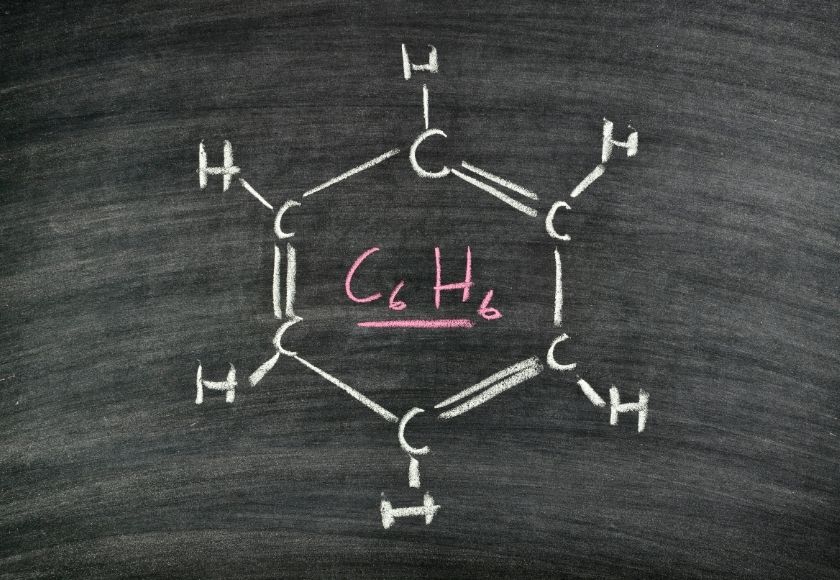
Hydrogen is an explosive gas that is costly to store and has a high ignition temperature and calorific value. Therefore, it is almost impossible to use it in existing energy systems without High Technology and High Costs. When Hydrocarbon gases are produced from Hydrogen through Bauer Processes in order to eliminate numerous problems in energy-demanding areas, such as application difficulties, high costs, storage problems, and the inability to implement it without modifications:
They are not dangerous and explosive like HYDROGEN gas
They can be produced instantaneously without requiring storage
They are obtained by processing water with Carbon
Their ignition temperature can be adjusted to between 300–460°C
Their calorific value can be adjusted as required
They can be produced with a combustion temperature between 1,200–2,700°C
Their density is lower than that of air
Their sulfur and toxic substance content is very low compared with other equivalent combustible gases
Their soot/smoke waste/carbon emissions are at very low levels compared with other equivalent combustible gases
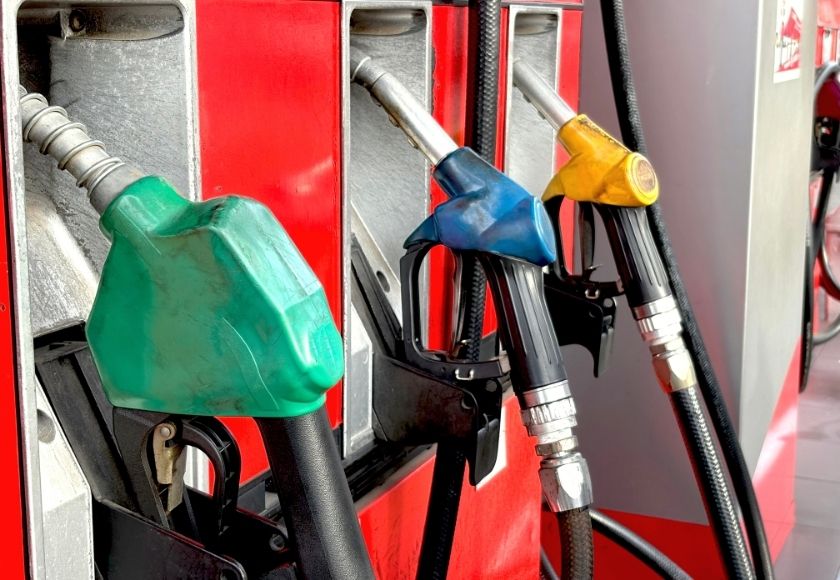
They can be safely used in all power plants and solid/gas/liquid fuel-fired boiler systems in which COAL / WOOD / LPG / LNG / CNG / NATURAL GAS / BUTANE / PROPANE / GASOLINE / DIESEL / FUEL OIL / ETHANOL / METHANOL / PROPANE / JET FUEL / KEROSENE / AVGAS gaseous and liquid fuels are used
This will provide major advantages.
HYDROCELL group HYDROCARBON Gases can be integrated into the existing combustion systems, boilers, burners, and engines of all heat- or gas-powered Energy plants in order to increase efficiency, reduce carbon emissions, and lower production costs. They can also generate Electricity through units added to the Superheated Steam line without interfering with the Process’s combustion system.
When HYDROCELL Gases can be produced abundantly and economically, they are expected to rapidly take their place in the energy sector—particularly in ELECTRICAL ENERGY generation—as a Renewable Alternative Energy source, as they will be cleaner, safer, more environmentally friendly, and more economical than other Petroleum and Fossil fuels.