
HYDROGAS: The Natural Gas of the Future!
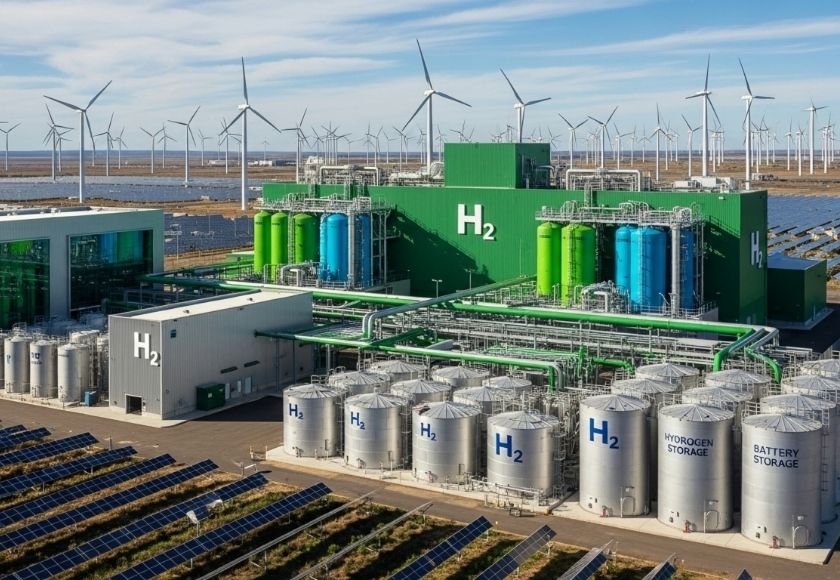
For many years, numerous initiatives involving the injection of Hydrogen into Natural Gas have continued around the world to achieve more efficient and environmentally friendly gas consumption. In Türkiye, although initiatives that began in 2020 are still ongoing, no tangible results have yet been achieved in practical terms.
Although it may appear very simple in theory, in practical applications:
Existing natural gas distribution systems, installations, pipelines, and equipment are not suitable for this purpose
It may melt plastic equipment over time and deform its structure
Since Hydrogen is lighter than Natural Gas, dangerous accumulations of hydrogen gas may occur during distribution, creating a high risk of fires and explosions caused by gas compression during use
High-calorific-value Hydrogen may damage existing Natural Gas-powered appliances such as combi boilers, boilers, stoves, burners, etc.
Since Hydrogen has the smallest molecular structure of any element in the world, it may leak from the installations and pipelines into which it is injected and escape into the atmosphere, etc.
Such issues create numerous technical challenges, leading to major investment costs and serious safety risks. For this reason, many studies conducted on this subject have not reached a conclusion, and efforts requiring many years and incurring high costs have failed to progress beyond the realm of fantasy. Although Hydrogen gas can be injected into Natural Gas pipelines at very low percentages in certain countries, these initiatives have generally remained limited and local in scope.
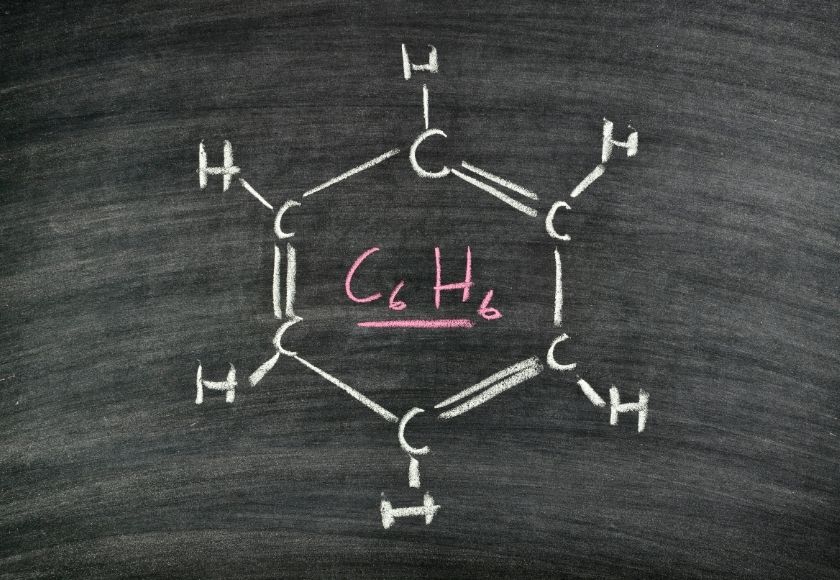
We know that these problems can be technically overcome and that implementation can be achieved more economically and simply by injecting into Natural Gas pipelines environmentally friendly HYDROGAS Hydrocarbon gases—produced from Hydrogen through BAUER processes—which have the quality of Natural Gas but offer much higher efficiency, low carbon emissions, and contain no toxic gases, instead of injecting Hydrogen.
Furthermore, we anticipate that once HYDROGAS application processes and production costs are reduced to more economical levels over time, it may provide an alternative to Natural Gas in regions where Natural Gas is unavailable.