

Synthetic Petroleum was first produced by Friedrich Bergius in 1913.
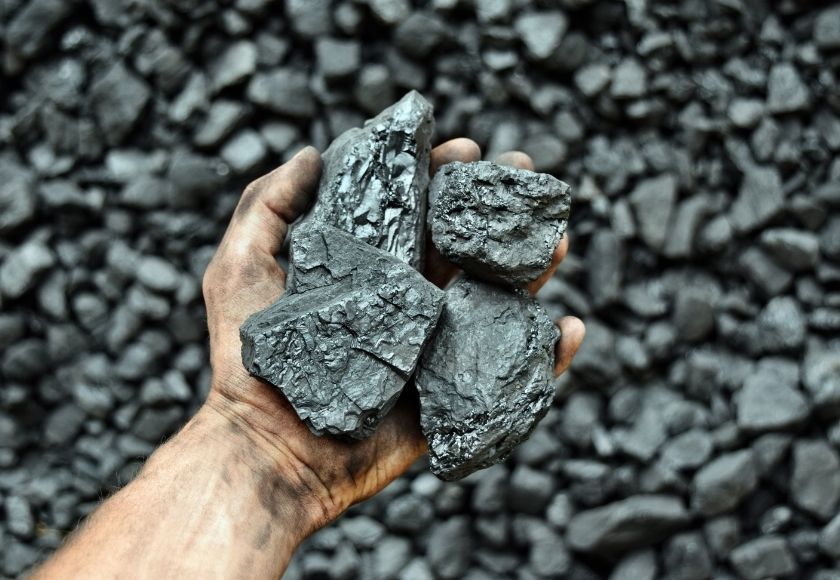
The Bergius process is a method of producing liquid hydrocarbons for use as synthetic fuel through the hydrogenation of highly volatile bituminous coal under high temperature and pressure. In 1931, Bergius was awarded the Nobel Prize in Chemistry for his development of high-pressure chemistry.
In the Bergius Process; coal is finely ground and dried in a stream of hot gas. The dry product is mixed with heavy oil recycled from the process. A catalyst is typically added to the mixture. Over the years, a number of catalysts have been developed, including tungsten or molybdenum sulfides, tin or nickel oleate, and others. Alternatively, the iron sulfides present in coal may provide sufficient catalytic activity for the process, as in the original Bergius process.
The mixture is pumped into a reactor. The reaction takes place at temperatures between 400 and 500°C and under a hydrogen pressure of 20 to 70 MPa. The reaction produces heavy oils, medium oils, gasoline, and gases. In general, approximately 97% of the input carbon fed directly into the process can be converted into synthetic fuel.
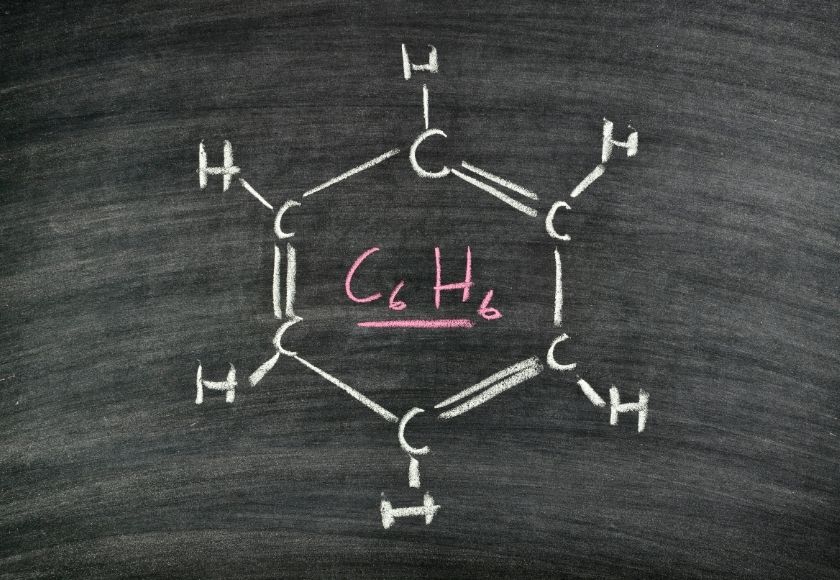
In the processes developed by the BAUER engineers of our R&D/Product Development company, all types of carbon-containing materials—such as animal waste, plant waste, oils, plastic waste, coal, etc.—can be subjected to various pretreatment processes according to their type and nature, purified of undesirable substances and toxic materials, converted into Carbon with 99.9% purity, and then transformed into synthetic fuel (HYDROIL) through hydrogenation under high temperature and pressure.
By combining Carbon processed using the purification techniques employed during production with Hydrogen, various grades of next-generation HYDROIL Petroleum and Petroleum products can be obtained. These products are more environmentally friendly, higher in quality, highly efficient, free from toxic and poisonous substances, and can be produced with the desired calorific properties and octane rating.
We anticipate that, over time, the production of HYDROIL Synthetic Petroleum will become widespread as an alternative to Petroleum in areas where Petroleum and petroleum-derived products are needed.
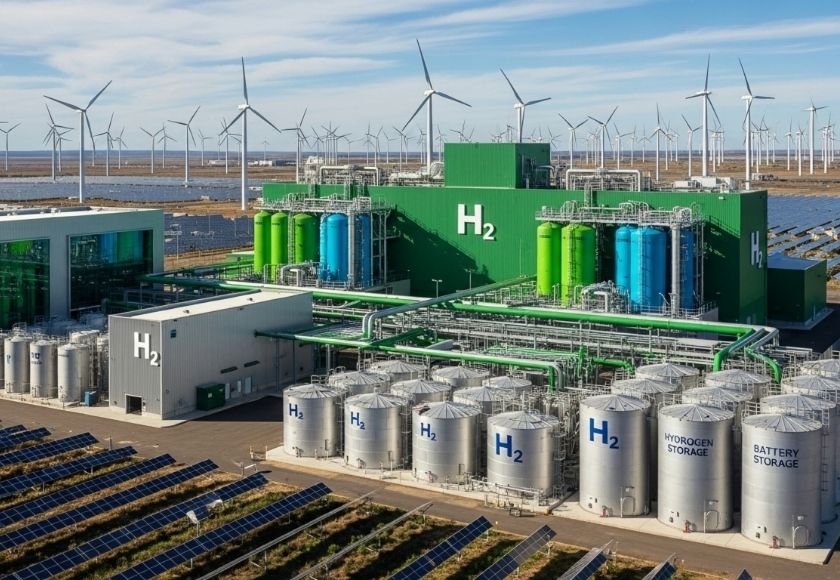
In the 21st century, energy holds a highly important place in achieving the goal of sustainable development. In particular, the use of fossil-based fuels to meet societies’ energy needs leads to significant economic, environmental, and social problems. From this perspective, hydrogen energy emerges as the most important alternative for solving these problems.
In the 21st century, energy holds a highly important place in achieving the goal of sustainable development. In particular, the use of fossil-based fuels to meet societies’ energy needs leads to significant economic, environmental, and social problems. From this perspective, hydrogen energy emerges as the most important alternative for solving these problems. So why has Hydrogen, a clean and high-energy source, not attained the place it deserves in energy scenarios? Although Hydrogen is the most abundant substance in the world, we are unable to benefit from its energy as we should. To date, studies conducted on Hydrogen production technologies have remained far below the expected efficiency, and it has not been possible to produce safe, abundant, inexpensive HYDROGEN of the desired quality and quantity, or Energy from Hydrogen, due to high energy and maintenance costs. When energy sources are considered, although there is almost no single energy source that could be an alternative to Hydrogen, HYDROGEN energy has not even been able to enter the literature.