
We process low-calorific-value, inefficient, and toxic coal and transform it into the next-generation hydrogenated coal, HYDROCOAL.
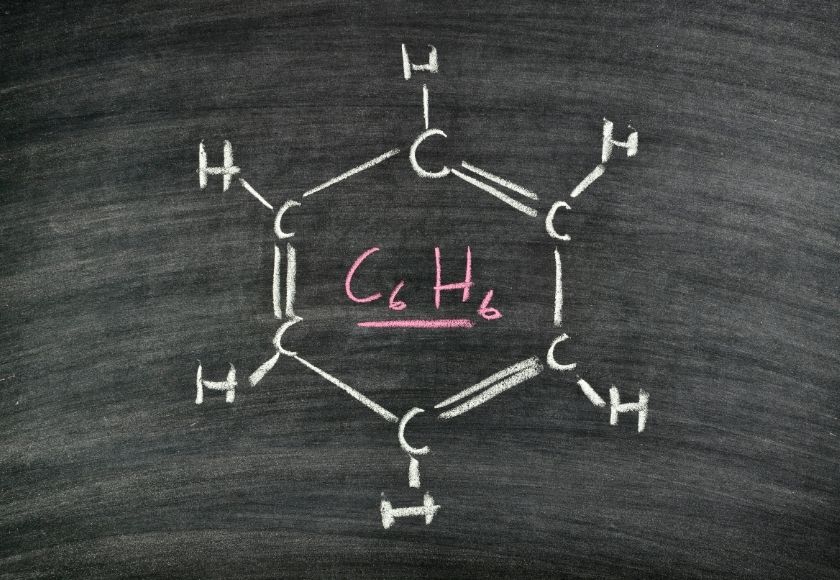
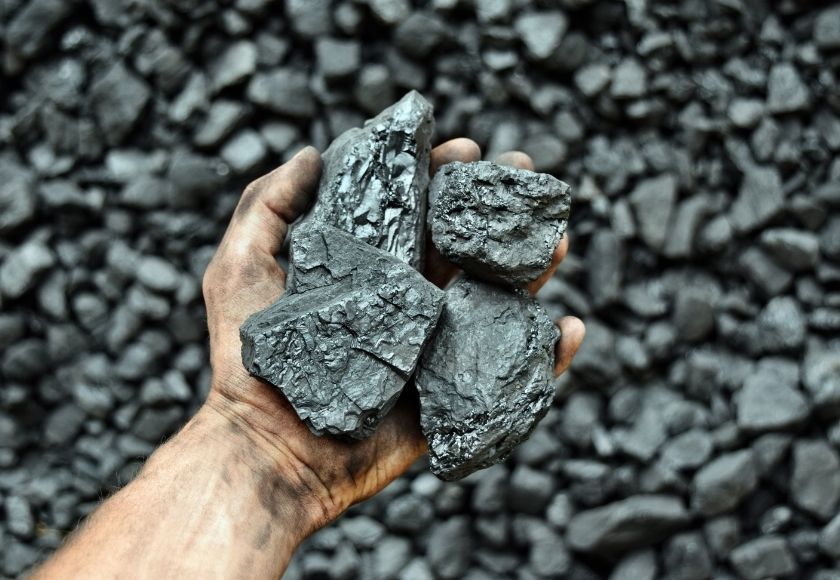
Coal is a solid, dark-colored rock found between layers of sedimentary deposits and is rich in carbon and combustible gases. Coal is primarily formed with varying amounts of other elements.
Its main component is carbon; it also contains varying amounts of hydrogen, sulfur, oxygen, and nitrogen. Coal, a fossil fuel burned to generate heat, provides approximately one-quarter of the world’s primary energy and two-fifths of its electricity.
Coal can be classified in various ways. There are four types of coal:
ANTHRACITE
HARD COAL
LIGNITE
PEAT
Coal in Türkiye is predominantly lignite, the lowest-quality type of coal. Türkiye has total lignite reserves of 15 billion tonnes. However, since 68% of these reserves have a low calorific value, the lignite produced is generally used in thermal power plants.
One-quarter of Türkiye’s primary energy and one-third of its electricity are generated from coal. Steel, cement, and sugar factories use coal. Türkiye utilizes all its lignite reserves in thermal power plants in order to minimize hard coal and natural gas imports while also meeting the needs of its growing population and economy.
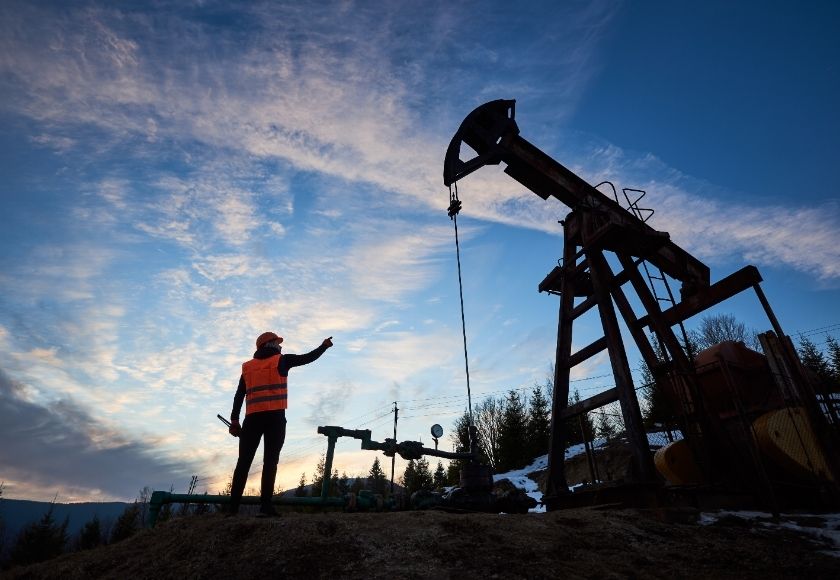
At coal mining operations across many regions of our country, there are millions of tonnes of coal reserves that have been extracted but left to decay in stockpiling areas because they do not possess sufficient calorific value and contain toxic substances, making them unsuitable for use.
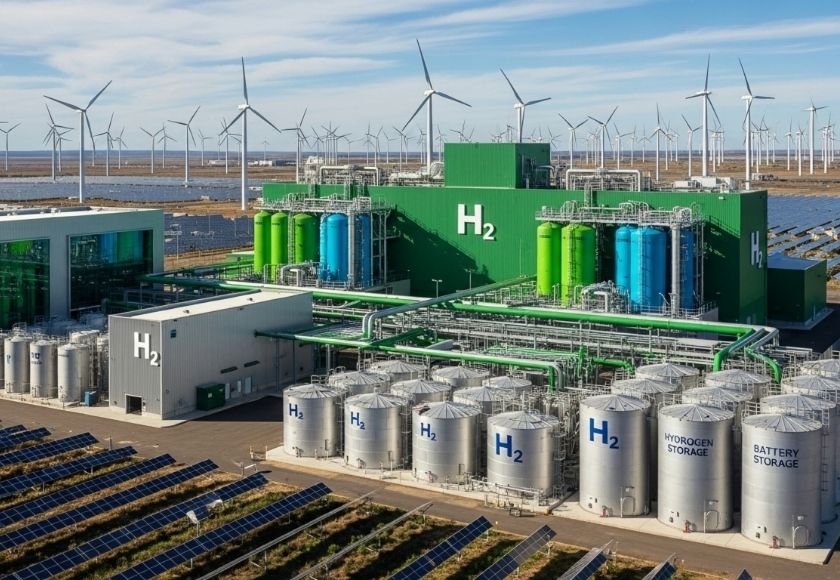
In the processes developed by BAUER engineers, low-grade, low-calorific-value coal with a carbon structure can be subjected to various pretreatment processes according to its type and nature, purified of undesirable substances, compounds, oxides, and toxic materials, and converted into high-grade Carbon. It can then be transformed into the next-generation, high-calorific-value HYDROCOAL through hydrogenation under heat and pressure. The objective is to process low-quality coal with a calorific value below 4,000 calories using purification techniques, subject it to hydrogenation in reactors, and reproduce it in granular form with a calorific value ranging from 6,000 to 9,000 calories—making it more environmentally friendly, higher in quality, highly efficient, and free from toxic and poisonous substances.