

Pellet is the name given to the form produced by drying and grinding all types of organic, industrial, agricultural, and BIOMASS waste and then compressing it under high pressure. Materials generally used as pellet raw materials include trees, wood, sawdust, wood chips, bark, branches and similar forestry waste, pieces of timber, wood shavings, wood blocks, straw, plastic waste, animal manure, and similar materials.
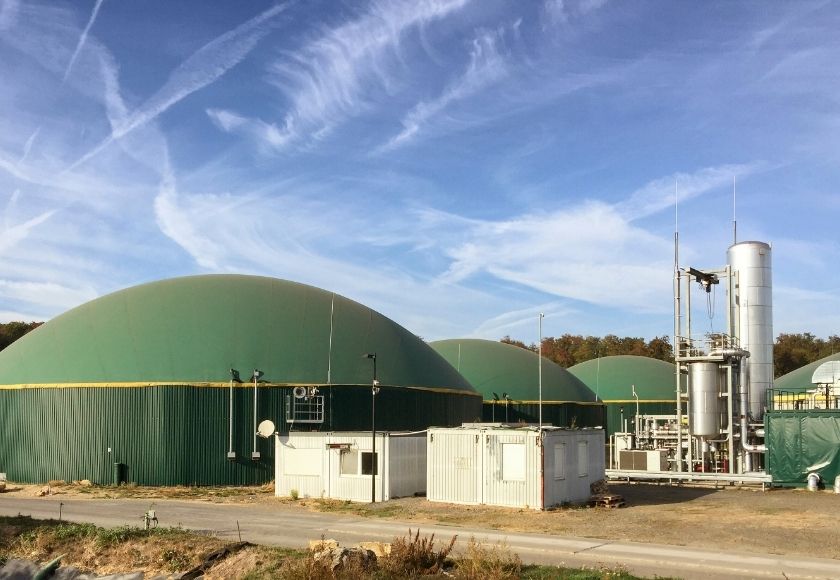
Furthermore, the dry-matter outputs of organic waste processed in BIOGAS plants are suitable for pellet production. They generally possess thermal energy values of approximately 4,000–6,000 calories.
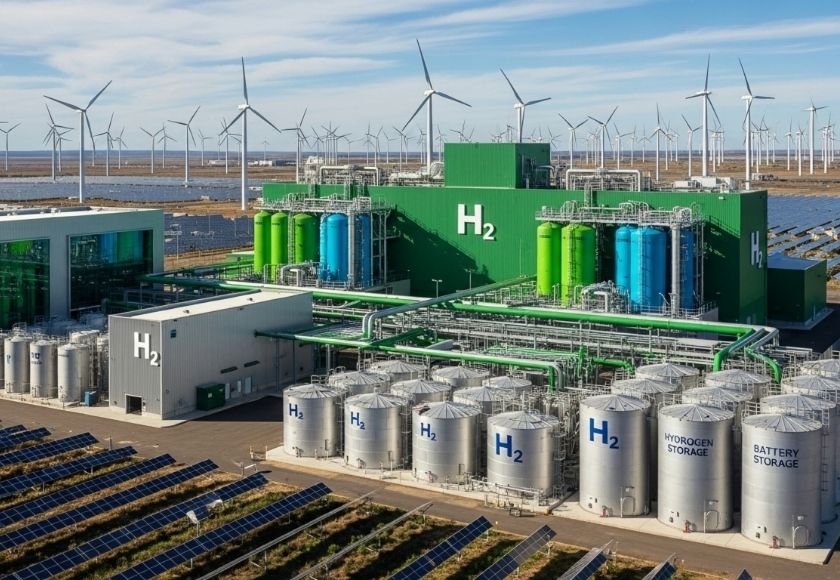
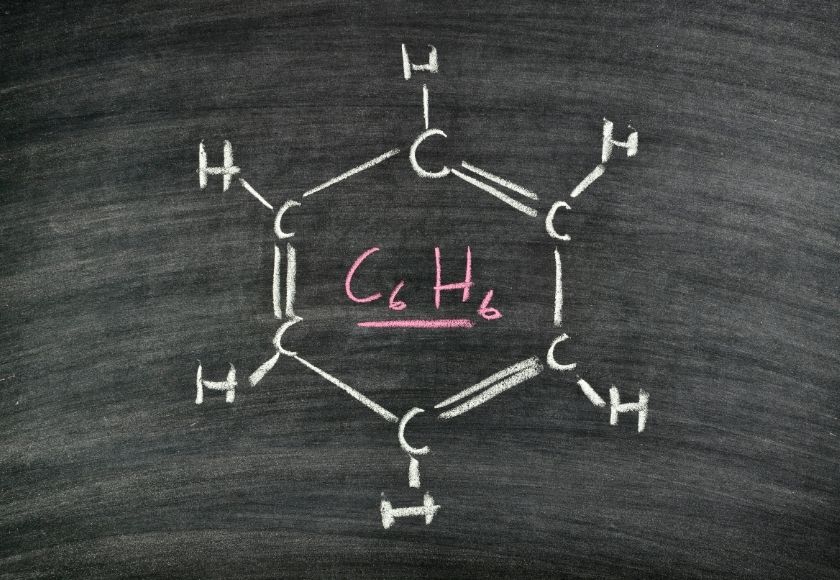
It is the form of organic waste obtained through various methods that has been subjected to Hydrogenation in Bauer Processes, thereby increasing its calorific value and reducing its soot and odor. These types of Pellets can be produced with calorific values ranging from 6,000 to 9,000 calories.
EUROPEAN countries are particularly targeted as the commercial market for the sale of HYDROGENATED PELLETS, which we will begin producing as a by-product.