
WHY HAVE HYDROGEN-POWERED CARS, SHIPS, AND AIRCRAFT STILL NOT BECOME PART OF OUR DAILY LIVES?
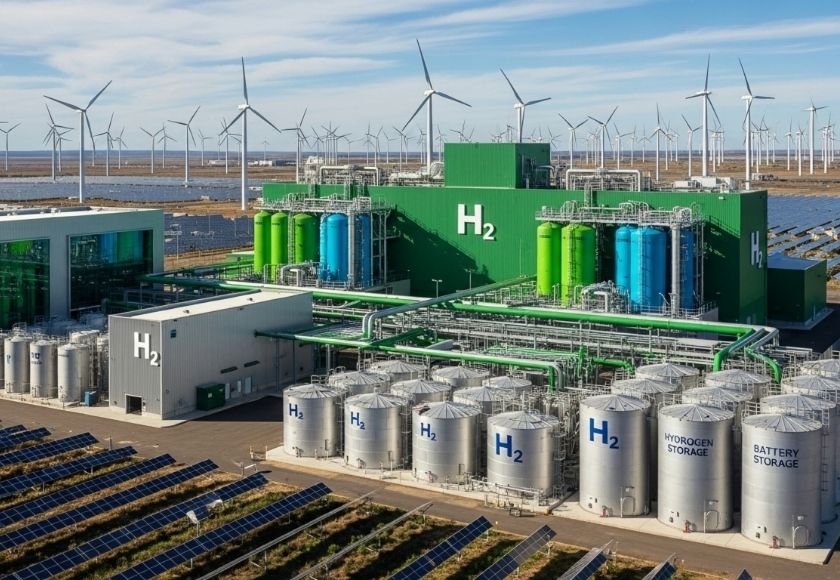
Hydrogen is an explosive gas with a high ignition temperature and calorific value, and its safe storage and transportation involve high costs. Therefore, it is almost impossible to use it in automobiles, ships, generators, and, in short, vehicles that consume fossil fuels such as gasoline / diesel / LPG without High Technology and High Costs. Due to numerous problems such as application difficulties, high costs, storage issues, and the inability to use it without modifications, automotive manufacturers have tended to use Hydrogen by converting it into electricity in Fuel Cells called FULLCELL, rather than using Hydrogen directly as a fuel in engines.
Fuel Cells:
Fuel cells convert the energy of Hydrogen directly into electrical energy through an electrochemical reaction. They generate electricity using an externally supplied fuel on the anode side and an oxidizing agent on the cathode side. These substances react within an electrolyte/electrode unit. Generally, the reactants enter the cell, while the reaction products leave it. Fuel cells can operate indefinitely as long as the required flow of fuel and oxidizing agent is maintained...
Although the reactants in fuel cells are continuously consumed, electrical energy in batteries is chemically stored within a closed system. Furthermore, while the electrodes in a battery participate in reactions and change as the battery is charged and discharged, the electrodes in fuel cells are catalytic and relatively stable.
However, aside from the extremely high cost of FullCell technology itself, challenges such as Hydrogen refueling problems and the requirement to use the infrastructure of an electric vehicle currently involve extremely high costs as well as production and application difficulties. For these reasons, automotive manufacturers have turned to producing Electric Vehicles instead of using HYDROGEN energy. Although Electric Vehicles may appear to be a simpler, more practical, and less expensive option, they have a high potential to turn the world into a battery dump over time and carry the risk of fatal fires and explosions in the event of a malfunction.
Can HYDROMACH HYDROCARBON GAS provide an alternative to fossil fuels and Electric Vehicles?
When fossil fuels are eliminated from conventional internal combustion engine vehicles and next-generation HYDROMACH-fueled engines for Automobiles, Aircraft, Ships, etc. are produced through practical, low-cost modifications, the following are TARGETED:
It is not dangerous and explosive like HYDROGEN gas
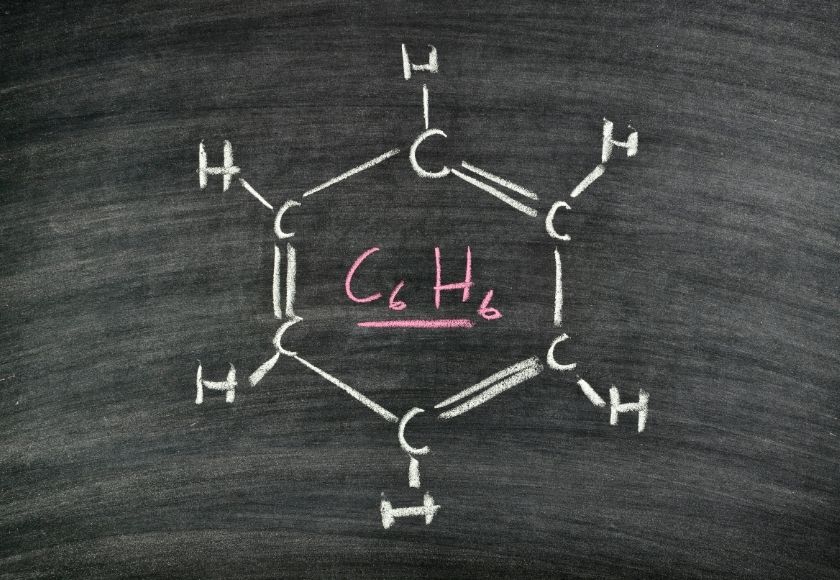
It is obtained by processing water with Carbon
Its ignition temperature can be adjusted to between 300–460°C
Its calorific value can be adjusted as required
It can be produced with a combustion temperature between 1,100–1,800°C
The desired amount of gas can be produced instantaneously
It does not involve storage problems
Its sulfur content is very low compared with other equivalent combustible gases
Soot / Smoke waste / Carbon emissions from exhaust outlets are at very low levels compared with other equivalent combustible gases
It can be adjusted according to and safely used in all vehicles, automobiles, generators, and land, sea, and air vehicles that use LPG / LNG / CNG / NATURAL GAS / BUTANE / PROPANE / GASOLINE / DIESEL / FUEL OIL / ETHANOL / METHANOL / PROPANE / JET FUEL / KEROSENE / AVGAS gaseous and liquid fuels
It can be produced within the 90–106 Motor Octane range
Its storage can be as easy and safe as LPG
Although it occupies little space, it has the technology to provide energy at high capacities
It can be installed in vehicles through mobile units or refueled using LPG infrastructure
It can provide automobiles with a range of more than 2,000 km
It can provide continuous energy over very long ranges in Ships and Submarines
It can provide non-flammable, non-explosive, long-range energy for Aircraft, Helicopters, and aerial vehicles such as UAVs and UCAVs in the event of an accident
THESE OBJECTIVES ARE TARGETED.